


Aggressive driving Impacts your car purchase by causing quicker wear and tear, pushing up your insurance premiums, and lowering your car’s resale value. These problems can reduce your choices when buying and lead to higher costs later. Being aware of this helps you buy smarter and save money over time.
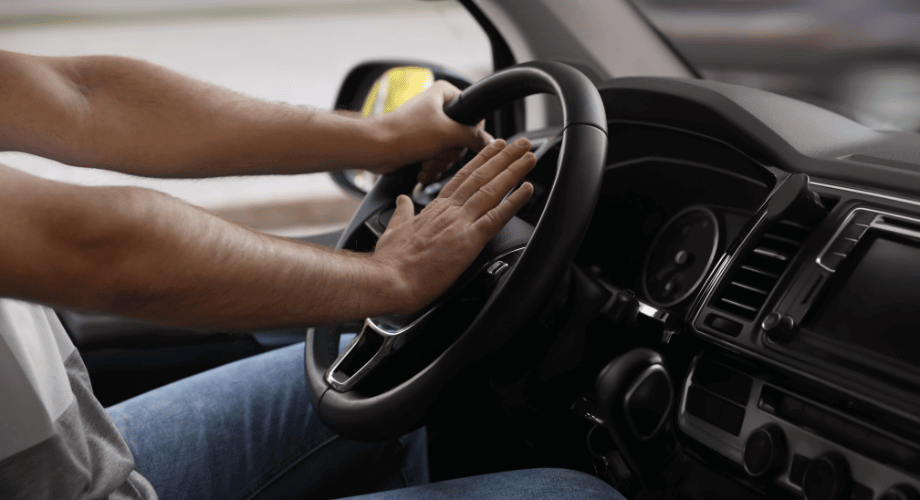
1. Understanding Aggressive Driving
Aggressive driving includes speeding, tailgating, and frequent lane changes, which can lead to more accidents and costly repairs. This behaviour also increases wear and tear, reducing your car’s resale value. Even if you save on the purchase price, aggressive driving can raise your long-term expenses. Understanding these impacts is key when choosing a vehicle.
2. Effect on Insurance Premiums
Insurance companies evaluate how you drive when calculating your premiums. Aggressive driving can raise your rates by as much as 40%, as insurers view such behaviour as risky. Accumulating points on your record for aggressive incidents can further increase costs and make it harder to get new coverage. To avoid these issues and keep your premiums low, it’s wise to drive cautiously and track your driving habits.
3. Aggressive Driving Impacts Your Car Purchase
Aggressive driving increases your insurance costs and wears out your vehicle faster by straining key components like the engine, brakes, and tyres. To offset these effects, it’s wise to choose vehicles known for durability and reliability. Trusted brands with strong reputations for longevity can help reduce future repair and replacement expenses.
4. Financing and Resale Values
If you finance your car, aggressive driving could impact your loan approval and increase your monthly payments. Lenders check driving history and insurance rates when assessing risk, so a pattern of reckless behaviour may lead to higher rates or even financing denial. When selling or trading in your car, signs of aggressive driving like accidents or poor maintenance can reduce its value and make it harder to sell.
5. Choosing the Right Vehicle
When buying a car, match your driving habits to a suitable vehicle for both safety and cost-efficiency. Cars with advanced safety and driver-assist features can reduce risks and lower insurance. Fuel-efficient options help save money, especially as fuel prices change. Aggressive driving cuts fuel economy by 10–30%, so driving calmly improves both safety and your budget.
6. Making Positive Changes
Recognising the impacts of aggressive driving can set you on a path to more mindful driving habits, which in turn benefits your car purchase and overall vehicle management. Implementing techniques such as:
- Maintaining a safe following distance
- Reducing speed
- Practising patience on the road
can all contribute to better long-term financial outcomes.
Consider enrolling in defensive driving courses, which can often lead to lower insurance rates and give you practical strategies to improve your driving style.
Final Thoughts
Aggressive driving doesn’t just compromise safety it can also cost you more when buying a car. It increases insurance premiums, reduces resale value, and shortens your car’s lifespan. By choosing safer driving habits and selecting efficient, reliable vehicles, you’ll make smarter financial decisions and protect your investment.
Next Steps
- Assess Your Driving Habits
Reflect on how you drive daily. Avoid speeding, sudden braking, and tailgating. - Prioritise Vehicle Safety Features
When buying a car, look for models with advanced safety features and good fuel economy. - Get Insurance Quotes Based on Driving History
Understand how your driving record affects your insurance costs before purchasing. - Explore Reliable Resources
Visit Arrive Alive and Road Safety South Africa for tips on improving road behaviour. - Commit to Safer Driving
Make a conscious effort to drive responsibly, it protects your life and your wallet.
