


Key Car Parts Every Woman Should Know refers to the most essential components of a car that every woman driver should understand for safety, confidence, and independence on the road. This article highlights ten must-know parts, such as the battery, brakes, and tires, with simple explanations of their function and tips on how to spot problems. By learning these basics, you’ll feel more in control when dealing with car issues or speaking to mechanics.
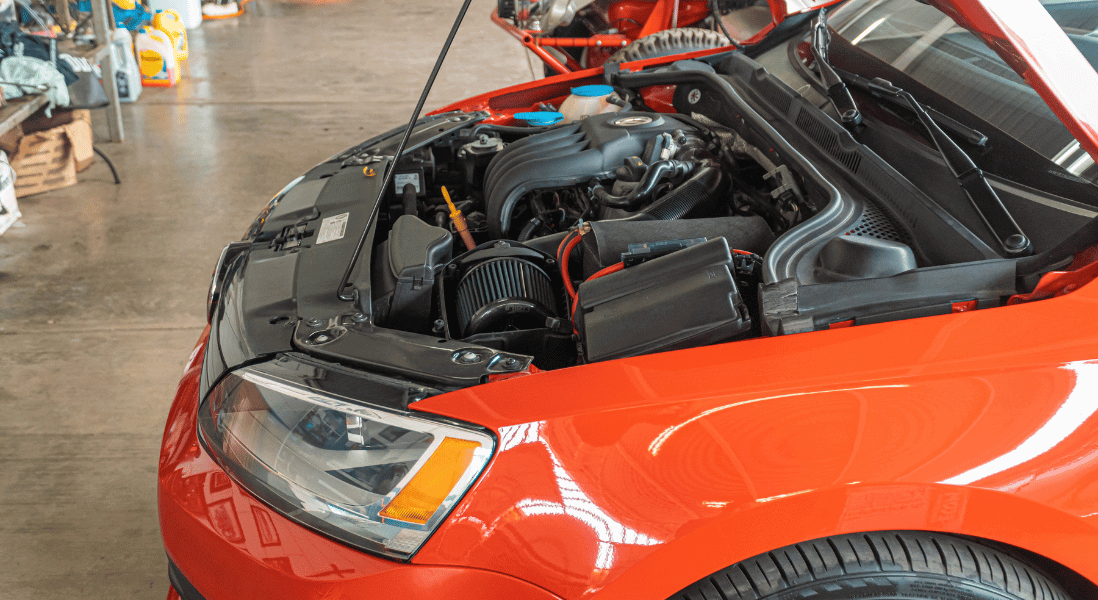
Key Car Parts Every Woman Should Know
Here’s a comprehensive list of key car parts every woman should know to navigate car ownership with confidence and ease:
1. Engine
The engine is the heart of your vehicle, converting fuel into motion. Understanding its basic components, such as the pistons, crankshaft, and camshaft, can help when discussing repairs or maintenance. Regular oil changes are vital to keep the engine running smoothly. For more information on engine care, check out this guide Rislone.
2. Battery
The battery powers your car’s electrical systems and starts the engine. Knowing how to jump-start a battery or recognize when it needs replacement can save you time and trouble. If your car struggles to start or the lights dim, it could be a battery issue. For tips on battery maintenance, visit First Battery Centre.
3. Brakes
Your car’s brake system is essential for safety. Understanding the difference between disc and drum brakes, as well as knowing the signs of brake wear (like squeaking or grinding noises), helps you ensure your vehicle stops effectively. Regular inspections can prevent accidents. Learn more about brake system at Supa Quick.
4. Tyres
Tyres are your car’s only contact with the road. Knowing how to check tyre pressure, tread depth, and overall condition is crucial for both safety and fuel efficiency. Keep an eye out for uneven wear, which can indicate alignment issues. Educate yourself on tyre care at Bridgestone South Africa.
5. Lights
Headlights, brake lights, and indicators are vital for safe driving, especially at night or in adverse weather. Familiarise yourself with how to change a blown bulb and understand the importance of keeping these lights functioning properly. Check out Forvia Hella for more guidance.
6. Oil Filter
The oil filter removes contaminants from engine oil, ensuring that the oil remains clean and effective at lubricating the engine components. Remember to change the oil filter during regular oil changes to keep your engine healthy.
7. Radiator
The radiator helps cool the engine by circulating coolant. If your vehicle overheats, knowing how to check levels and understand the warning signs can prevent serious damage. Regularly inspect your radiator and coolant levels for optimum performance.
8. Alternator
The alternator charges the battery and powers electrical systems when the engine is running. If your car experiences electrical issues, a failing alternator might be the cause. Understanding how to spot the signs of alternator problems can keep you from being stranded.
9. Exhaust System
The exhaust system reduces harmful emissions and helps improve engine performance. Familiarising yourself with its components and the signs of issues like loud noises or unusual smells – can keep your vehicle running cleanly.
10. Windscreen Wipers
Effective visibility is vital for safe driving. Understanding the parts of your windscreen wipers and knowing how to replace them can enhance safety during rainy weather. Regularly check for wear and tear to ensure clear vision.
Final Thoughts
Understanding essential car parts helps you handle minor problems confidently and improves communication with mechanics. This knowledge supports safer driving and more informed vehicle maintenance. Taking time to learn the basics also helps you make smarter decisions and avoid unnecessary repair costs.
Next Steps:
- Review your car manual to locate and learn about the parts discussed.
- Practice identifying key components under your car’s hood.
- Schedule regular maintenance checks and ask your mechanic to explain any unfamiliar parts.
- Keep a checklist of basic car issues and how to respond to them.
- Explore more topics like tire pressure, oil changes, or dashboard warning lights to build your knowledge further.
