


The South African automotive export diversification plays a big role in the economy. It supports jobs, boosts exports, and drives manufacturing growth. In 2025 the global environment is shifting quickly. Tariffs, changing consumer needs, and new technologies are creating pressure. Diversification of exports has become essential for survival and future success.
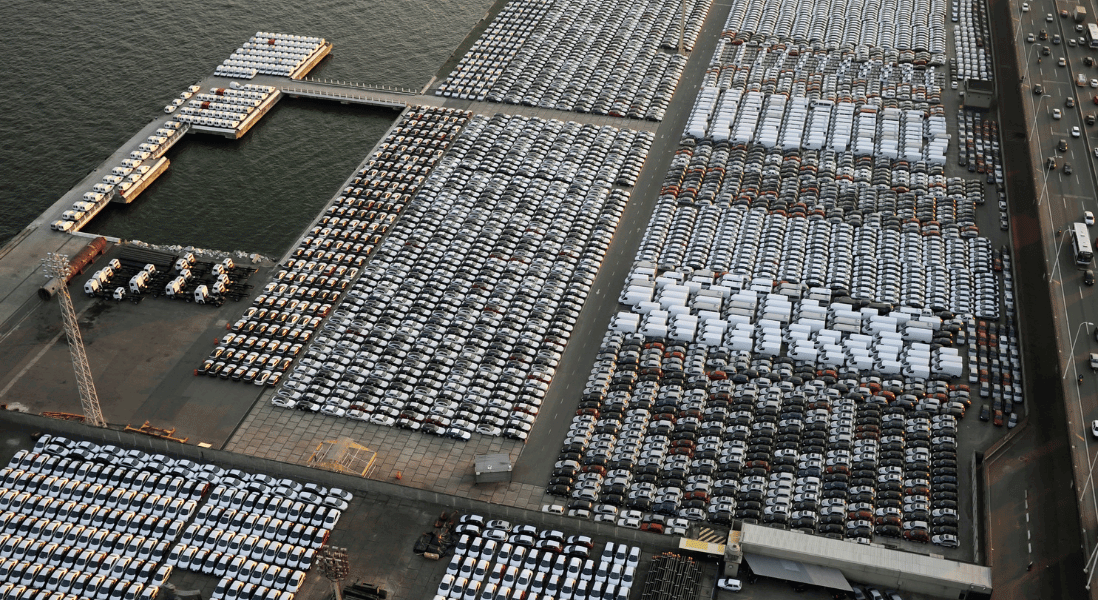
Strong Foundations and The Call for New Growth
- South Africa exported close to 391 000 vehicles in 2024 along with large volumes of components (Engineering News report).
- Vehicle and parts exports made up about 15 percent of all South African exports.
- The sector added more than 20 percent of manufacturing value.
While these numbers are impressive, there were signs of stress. Vehicle exports dipped slightly in 2024. Production levels fell. Exports to the United States dropped sharply in early 2025. These risks show why the industry must diversify beyond traditional markets.
Expanding Into New Markets and Regions
- Europe remains the top destination with exports to the EU valued at over R156 billion in 2024.
- Germany is the leading buyer in this region.
- Africa is showing strong growth with exports reaching a record R48 billion in 2024 (Standard Bank insight).
Trade agreements are opening new doors. The Southern African Development Community and the African Continental Free Trade Area (AfCFTA) are key to making cross-border trade easier (CAJ News Africa). By growing within Africa, South Africa reduces reliance on Europe and the United States.
The Rise of New Players and The Energy Transition
Global shifts are creating fresh opportunities:
- Chinese automakers are investing in South Africa as a gateway to the African market (Reuters feature).
- BYD is expanding its dealerships from 13 to almost 35 by 2026 (Reuters update).
- New energy vehicles (hybrid and electric) doubled in sales between 2023 and 2024, even though they are still only 3 percent of the market.
- Toyota is preparing to launch three electric models in South Africa by 2026 (Reuters announcement).
These moves show that electric and hybrid vehicles will be central to export diversification. South Africa has the chance to become a hub for both traditional and new energy vehicles.
Industrial Strategy and Local resilience
The road to diversification is supported by smart policy and industry investment:
- Government is creating incentives to help offset tariffs and encourage new investment (Reuters report).
- Isuzu is planning to make South Africa its hub for commercial truck production, aiming to raise exports to Africa from 22 percent to 45 percent (Reuters article).
- The Eastern Cape is emerging as a strong production base, with a new Stellantis plant expected to drive growth in components.
- The Naacam 2025 show highlighted how suppliers are preparing to support both traditional and new vehicle production (Colin on Cars coverage).
Why Automotive Export Diversification Matters
Diversification is not just a buzzword. It is the lifeline of the industry in 2025.
- Tariff risks make overreliance on one market dangerous.
- Technology changes are shifting global demand toward hybrid and electric models.
- Regional trade under AfCFTA is creating a huge opportunity for South Africa to lead in Africa.
By addressing these three factors, the industry can create a more stable future.
Key Steps for a Stronger Future
To build resilience and growth, the industry should focus on:
- Expand exports within Africa using AfCFTA as a platform.
- Attract new automakers including leaders in new energy vehicles.
- Support government policies that ease tariff pressures and encourage local production.
- Build stronger hubs in provinces like Eastern Cape and Gauteng.
- Diversify beyond Europe and the United States into Asia, Latin America, and other emerging markets.
Final thoughts
In 2025 the South African automotive industry is at a turning point. Traditional exports are under pressure, but new opportunities are emerging. Regional trade, new energy vehicles, and global automakers are all shaping the future. By diversifying exports, production, and partnerships the sector can become more secure and more competitive. With the right strategy South Africa can stand out as the automotive powerhouse of Africa and an important global player.
