


The Best Guide to New Speed Limits in South Africa explains the latest changes to speed regulations, why they were introduced, and how they affect everyday driving. This overview will help you understand the updated limits, stay compliant with the law, and promote safer roads for all motorists.
Understanding the New Speed Limits in South Africa
With the introduction of new speed limits in South Africa, it is essential for drivers to fully understand what these changes mean for their daily travels. The new regulations are designed to enhance road safety, reduce accidents, and promote responsible driving. This guide will delve into the specifics of the new speed limits and provide actionable insights for drivers across the country.
1. Overview of the New Speed Limits
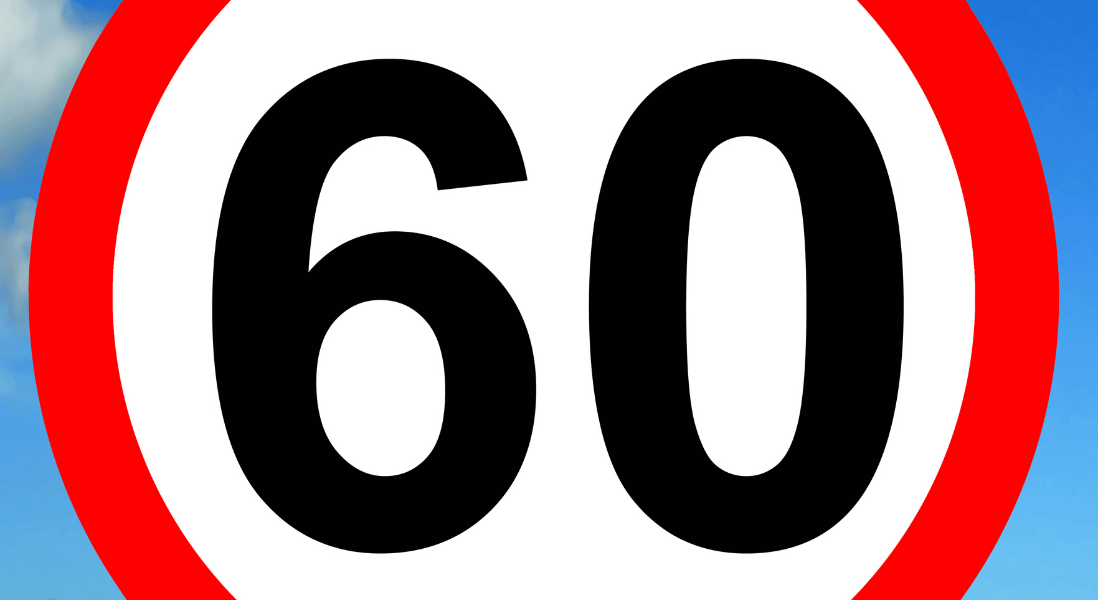
The new speed limits in South Africa vary depending on the type of road and the surrounding area. For instance, urban areas now have a general speed limit of 60 km/h, while suburban roads typically allow speeds of 80 km/h. On highways, the speed limit stands at 120 km/h. These changes reflect a concerted effort by the South African government to address the alarming rates of road accidents.
2. The Purpose Behind the Changes
One of the driving forces for implementing the new speed limits is improved road safety. Statistics from the Road Traffic Management Corporation (RTMC) show a significant reduction in road fatalities when speed limits are adjusted to better suit road conditions and urban environments. This change aims not only to protect drivers but also pedestrians and cyclists, who are increasingly becoming victims of road traffic incidents.
3. How Speed Limits Are Enforced
Enforcement of the new speed limits is set to be stringent, with authorities using various technologies such as speed cameras and mobile patrols. Failing to adhere to the new limits can result in hefty fines and demerit points on your driver’s licence. It’s crucial for motorists to stay informed to avoid these penalties. For more details on the enforcement measures, you can visit the RTMC.
4. Best Practices for Drivers
To adapt to the new speed limits effectively, drivers should take the following steps:
- Stay Informed: Always check for road signs regarding speed limits and any updates from the local authorities.
- Use Technology: Many GPS devices and smartphone apps can alert you when you are exceeding speed limits. Leverage these tools for a safer driving experience.
- Participate in Educational Campaigns: Engage in community workshops or online seminars focusing on road safety and the importance of compliance with speed limits.
By incorporating these practices into your driving habits, you can contribute significantly to the collective safety on South Africa’s roads.
5. The Impact of Culture on Driving Behaviour
Embracing the new speed limits also requires a cultural shift among South African drivers. Speeding has often been seen as a measure of prowess or daring, but this mentality must evolve. Encouraging a culture of respect for road rules can foster a safer driving environment. Communities can take initiative by reinforcing safe driving practices through local campaigns and peer influence, further solidifying this shift.
6. The Role of Technology in Adaptation
Finally, technology plays a vital role in adapting to the new speed limits in South Africa. With the advent of advanced vehicle technologies, many cars come equipped with adaptive cruise control systems that automatically adjust speed according to the set limits. Moreover, using apps like Waze or Google Maps not only gives you updates on traffic but also informs you about speed limit changes along your route.
By understanding and embracing the new speed limits in South Africa, drivers can ensure their safety and the safety of others on the road. For those looking to dive deeper into the implications of these changes, refer to Arrive Alive for insightful articles and updates related to road safety and traffic laws.
Final Thoughts
The recent changes to speed limits in South Africa aim to improve road safety for everyone. Staying informed, practicing safe driving habits, and encouraging others to follow the rules can help create a safer driving environment. These adjustments are not only about avoiding penalties—they reflect a shared responsibility to protect all road users.
Next Steps
- Lead by Example – Demonstrate responsible driving habits to influence others positively.
- Learn the New Limits – Familiarise yourself with the updated speed regulations for different road types.
- Adopt Safer Driving Practices – Maintain safe following distances, obey traffic signs, and adjust speed for weather or traffic conditions.
- Use Technology Wisely – Consider apps or in-car alerts to help you stay within limits.
- Promote Awareness – Share the information with friends, family, and community groups.
