


Morning traffic can be very chaotic, here are tips of embracing morning drop off traffic in durban when you are dropping children at school, going to work, or heading to appointments. These smart strategies and a positive mindset, you can handle the traffic more smoothly and even reduce stress.
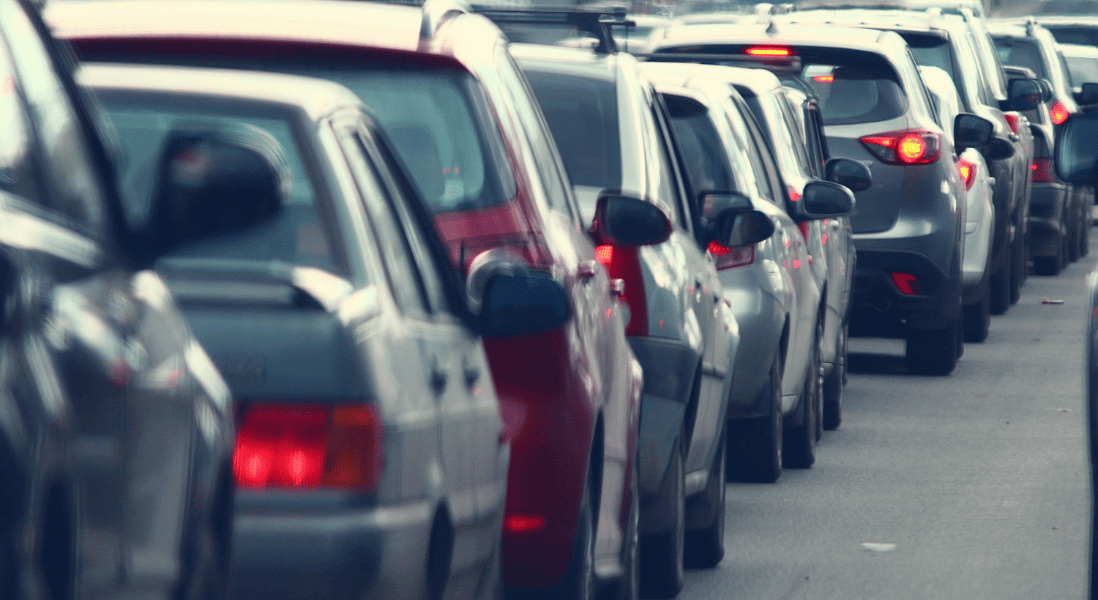
Understand the Patterns of Morning Traffic
Before you act, it helps to know what you are dealing with. In Durban, peak drop off times typically fall between 06:30 and 08:30 on weekdays (Swisher Post traffic updates).
Delays can be caused by:
- Roadworks
- Accidents
- Taxi stoppages
- Signal failures
Real time traffic systems in KwaZulu Natal, such as i-Traffic, show current delays, accidents or slow zones so you can plan ahead. Knowing which roads are prone to bottlenecks gives you a heads up before you leave.
Plan Your Route With Real Time Tools
One of the best moves is to use live navigation or traffic apps. Waze, Google Maps and local dashboards provide updates on:
- Accidents
- Slowdowns
- Alternate routes
You can also use the i-Traffic service for KwaZulu Natal to get alerts and road cameras. Setting up backup alternatives before you start saves time if your main road is blocked.
Leave Early and Build in Buffer Time
A simple but powerful tip is to shift your departure earlier. If you leave 10 to 15 minutes earlier, you often bypass the worst congestion. Always build a buffer:
- If school drop off is at 08:00, aim to arrive by 07:45
- If an appointment is at 09:00, target 08:40
That extra time reduces stress when small delays happen.
Use Alternate Roads and Back Streets
When main roads jam up, side roads and lesser known streets can help. Explore:
- Parallel streets
- Feeder routes
- Quiet back roads
Also keep up to date on new infrastructure. For example, the Dumisani Makhaye Drive (M5 link) gives an alternate path that eases pressure on busy interchanges.
Carpool or Ride Share Where Possible
If you have neighbours or coworkers nearby, share rides. Benefits include:
- Fewer vehicles clogging key routes
- Lower fuel costs
- Less stress from driving daily
Even rotating driver roles or combining errands into one trip reduces congestion in Durban.
Adjust Drop Off Location or Time
Small changes can make a big difference:
- Drop off slightly before or after the busiest point
- Let children walk a short distance instead of stopping right at the school gate
- Shift your schedule by 10 minutes earlier or later to avoid peak congestion
Stay Calm, Be Predictive and Patient
Traffic stress is real, but staying calm helps. Good habits include:
- Watch ahead and anticipate what other vehicles might do
- Signal early and keep safe following distance
- Avoid aggressive lane changing and be courteous toward others
Prepare Your Vehicle and Yourself
Vehicle readiness matters. Check:
- Fuel
- Tyre pressure
- Lights
- Engine health
Crisis Proof South Africa provides advice on what to do if car trouble strikes. Also prepare your morning items the night before — bags, lunches, and documents — to avoid last-minute delays.
Use Local Traffic Reports and Radio Updates
Local radio stations like East Coast Radio give live traffic updates from 05:30 onwards. Reports are usually every 15 to 30 minutes. Listening hands free while you drive can help you avoid sudden traffic jams.
Report Issues and Contribute Wisely
If you notice broken traffic lights, hazards or accidents, report them via the Durban transport services portal. Traffic apps like Waze also allow you to contribute alerts so others benefit. Shared awareness keeps the flow moving for everyone.
Review and Learn After Daily Trips
After each trip, ask yourself:
- Did leaving earlier help?
- Did a new route save time?
- What should I change for tomorrow?
Traffic patterns in Durban change due to road works, events or school holidays, so reviewing your strategy keeps you prepared.
Conclusion
Dealing with morning drop off traffic in Durban does not have to be a nightmare. With planning, smart routing, patience and small adjustments you can make your daily run smoother. Use live traffic tools, leave with buffer time, try alternate routes, carpool where you can, and stay calm on the road. Over time your routine will adapt to the city’s flow and the congestion will feel easier to manage.
